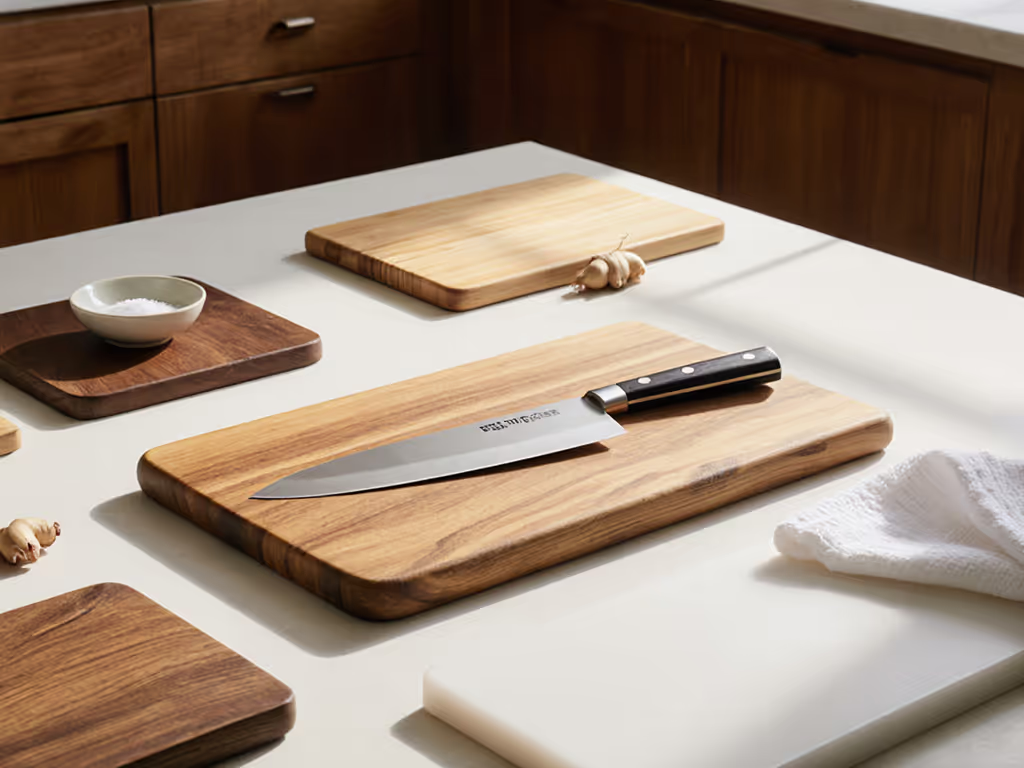
Best Composite Cutting Boards for Food Processor Feed Boards
By Elena Petrov • 6th Jun
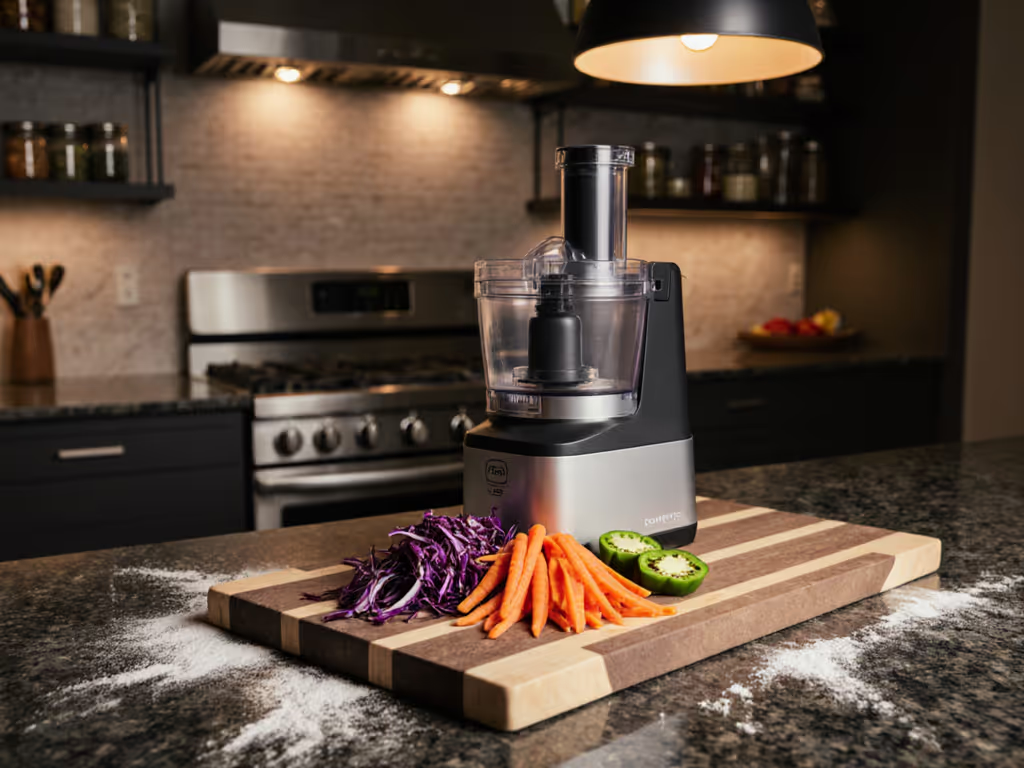
If you're trying to streamline prep around your small appliances, composite cutting boards make surprisingly good food processor feed boards (thin, heat-tolerant, and easy to slot under a base). But they also raise real questions about knife wear, noise, and value over time.
As someone who tracks per-use cost and failure points obsessively, I look at these boards less as decor and more as parts in a workflow: do they protect your knives, keep the station organized, and avoid becoming one more slab hogging cabinet space? Spend once on utility; skip the shiny, single-purpose clutter.
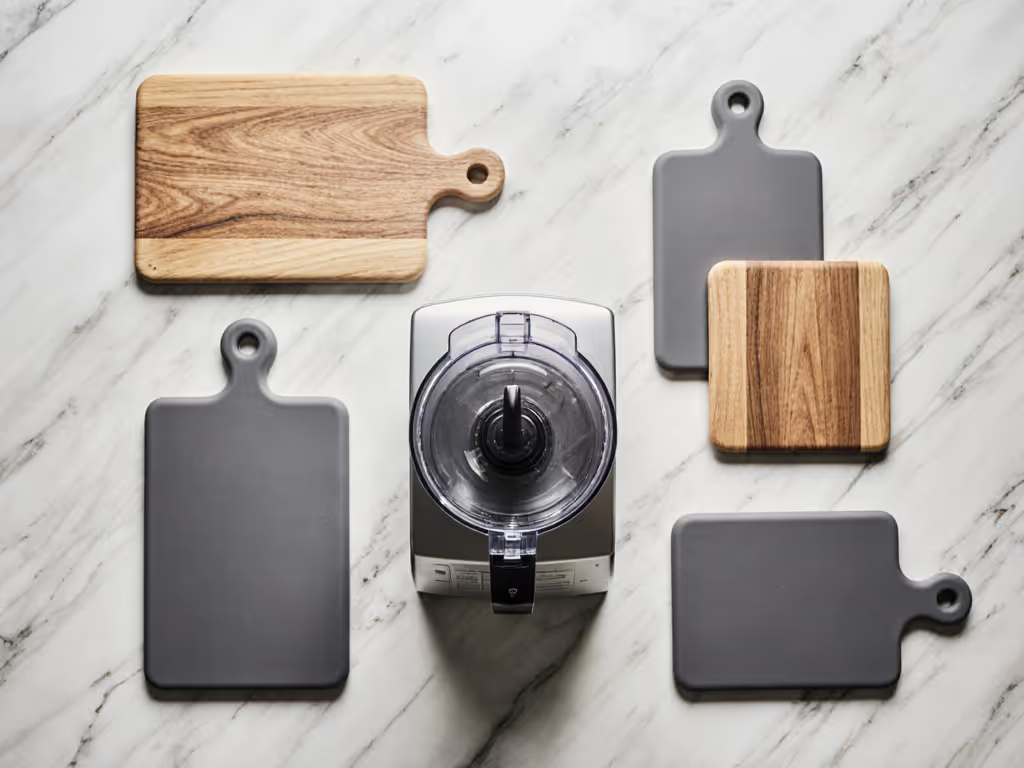
Below, I'll break down the best ways to use composite boards as feed boards (where they shine, where they don't), and how to avoid repeating the classic mistake of buying a big multi-piece set that warps, traps water, and clutters your counter.
For most cooks, the smartest play is one well-sized composite dock around your appliances and a gentler main board for knife work.
1. Full-Size Paper Composite Dock - Best All-Around Feed Board
If you run a 10-14 cup food processor or frequently park a blender or stand mixer on the counter, a full-size paper composite board (~17×13 inches, ~1/4" thick) is the most versatile feed board format.
Paper composite boards (like the Epicurean composite boards made from wood fiber and resin) are thin, stable, and heat-tolerant, so they double as both a cutting surface and an under-appliance "dock." Tests from multiple review sites note that these boards are lighter than similar-size wood, dishwasher-safe, and can handle moderate pan heat without damage.
Why this format works around food processors
- Footprint & fit: A 17×13 board generally extends 2-3 inches beyond a standard processor base, giving you room to
- keep the machine stable
- stage ingredients
- slide shredded or sliced food back onto the board from the bowl or chute.
- Thickness: At ~1/4", paper composite is low enough that it doesn't raise the machine so high that the feed tube becomes awkward, but still stiff enough not to flex under load.
- Heat resistance: These boards are typically rated for several hundred degrees Fahrenheit, so you can park a warm pot or freshly run motor on them without worrying about melting plastic or scorching laminate.
Knife and maintenance trade-offs
Here's the hard-nosed part: composite boards are harder on edges than good end-grain wood or soft plastic. Several testers and knife forums report faster dulling, especially with thin, high-HRC Japanese knives.
On the other hand:
- They don't scar as deeply as soft plastic, which helps with long-term hygiene because there are fewer deep grooves to trap residue.
- Multiple sources confirm they're dishwasher-safe and highly warp-resistant if stored flat or upright and not actively bent.
If you're mostly chopping produce with fairly robust German-style knives and want a single, low-profile board to live under your processor, a full-size composite dock can deliver a very low per-use cost over many years.
Choose this if:
- You keep your processor out full-time.
- You want one board that acts as a dock, feed board, and occasional trivet.
- You're okay honing more often or sending knives for sharpening a bit sooner.
Skip this if:
- You baby very hard, brittle Japanese blades.
- You're sensitive to noise (composite has a noticeably louder "clack" than wood).
2. Compact Composite Board - Best for Tight Counters & Small Processors
If you're in an apartment kitchen or your processor is a compact 7-9 cup model, a smaller composite board (around 11×9 or 12×9) can be a better fit.
Paper composite in this size is very light and easy to maneuver, often with a hanging hole or thin profile that slides into a narrow cabinet slot. That means you can actually keep it near the appliance rather than burying it under baking sheets.
Workflow win: feed board staging
For feed board workflow efficiency, the compact board works best as a dedicated staging pad:
- Chop vegetables or portion cheese on your main knife-friendly board (wood or soft plastic).
- Transfer prepped ingredients onto the compact composite board parked beside or slightly under the food processor.
- Feed from board to processor chute in batches, without dribbling across bare countertop.
Because paper composite boards often have a slightly grippy, textured surface, they're less prone to ingredients sliding off when you tilt them, especially if they're slightly damp. Add a thin non-slip mat underneath and you've got a compact, stable station for loading the processor or mandoline.
Best for:
- Small kitchens where every inch of counter and sink space matters.
- People who want a dedicated "appliance zone" board without sacrificing cabinet space.
Watch out for:
- These smaller boards can be too cramped for full heads of cabbage or large squash, so treat them as feed boards, not primary cutting boards.
3. Reversible Groove/Plain Composite - Best for Juicy or Raw-Protein Tasks
Some composite boards come reversible, with a juice groove on one side and a flat surface on the other. For food processor use, this style excels when you handle raw meats, juicy tomatoes, or marinated ingredients near your appliance.
Food safety guidance consistently recommends separate boards for raw proteins and ready-to-eat foods to reduce cross-contamination risk. A dedicated composite groove-board near your processor can be your "raw only" or "wet work" station.
Why composite is strong here
- Hygiene: Plastic and composite boards are easier to sanitize aggressively (hot water, detergent, or even dishwasher) than many wood boards, which you should not run through the dishwasher.
- Groove control: The juice groove catches runoff from marinated meats or cut tomatoes, keeping it off your counter and away from the processor base.
- Heat tolerance: If you grind warm meat or process hot, just-cooked vegetables, composite can handle the temperature swings better than many plastic boards without warping.
Tests of plastic and composite boards show that deep gouges are the main hygiene problem, as they are harder to fully clean. Composite tends to be more scratch-resistant than soft plastic, which can mean fewer deep cuts over time (but at the cost of more wear on knife edges).
Best use pattern:
- Use the grooved side exclusively for raw protein or "wet" prep.
- Use the flat side for staging bowls or pans where you're less concerned about scratching.
This setup gives you a clear visual cue for raw vs ready-to-eat food and keeps messy protein prep clustered around the appliance, close to the sink for fast cleanup.
4. Composite Mandoline Safety Board - Best High-Pressure Surface
Mandolines and adjustable slicers concentrate a lot of force on a small footprint, which is why mandoline safety boards matter. A thin, flexy plastic board can skate around and buckle; a glass or stone surface is a fast track to chipped blades.
Here, a medium composite board (around 14×11, 1/4" thick) with good grip is a strong compromise:
- Stiff under load: Composite is rigid enough that your mandoline won't bow or rock if you're slicing dense produce like sweet potatoes.
- Textured surface: Many paper composite boards have a micro-texture that reduces slip compared to slick plastic.
- Heat & moisture tolerance: You can rinse, scrub, or run through the dishwasher without babying it.
For small kitchen appliance compatibility, this same board can do double duty:
- Place the mandoline over a bowl on the board.
- Then swap in the food processor over the same board for follow-up slicing or shredding.
You get one consistent, safe "high-pressure" surface under every sharp, tippy tool.
Safety notes:
- Composite is not soft; it will not save your fingers. Pair it with a good hand guard and/or cut-resistant glove.
- If you use ultra-thin Japanese blades, keep your main slicing on a softer board and reserve composite primarily as a staging and support surface.
5. Hybrid Setup - Composite Dock + Knife-Friendly Main Board (Best Overall System)
This is the configuration that, in practice, solves the most pain points and respects your knives:
- One knife-friendly main board (end-grain wood or quality soft plastic/rubber).
- One composite feed board parked under or beside your processor and other small appliances.
Multiple tests and knife experts rate end-grain wood and soft plastic as gentler on edges than harder materials like glass, stone, bamboo, or some composites. Meanwhile, composite excels at being thin, stable, and heat-tolerant under appliances.
Here's how the hybrid setup stacks up:
| Material / Role | Edge-Friendliness | Dishwasher-Safe | Heat Tolerance Near Appliances | Typical Thickness & Feel |
|---|---|---|---|---|
| End-grain wood (main board) | Excellent | No | Moderate (no direct burners) | Thick, quiet, cushioned |
| Soft plastic / rubber | Good | Often yes | Moderate | Medium, slightly noisy |
| Paper composite (feed dock) | Fair | Yes | High (for boards) | Thin, firm, louder |
Data points from consumer tests and user reviews support this general pattern: wood is great for knives but high-maintenance; plastic is easier to sanitize but scars deeply; composite is hard-wearing and thin but a bit harder on edges and noisier.
In day-to-day use, the hybrid approach means:
- You do 90-95% of your cutting on the gentle board.
- You move bowls, processor work bowls, and trays onto the composite dock when it's time to load, pulse, or pour.
- The composite takes the dings from appliance feet, drips from bowls, and heat from motors and pans.
This setup also tends to minimize clutter: two boards, two clear roles. No fussy add-on trays that warp, no stack of rarely used specialty pieces. It's the quiet opposite of those handsome four-piece sets that look great for a month, then warp, trap water, and devour cabinet space.
If you care about both edges and workflow, the highest-value move is a gentle main board plus a thin composite dock you can pay once for and forget about for years.
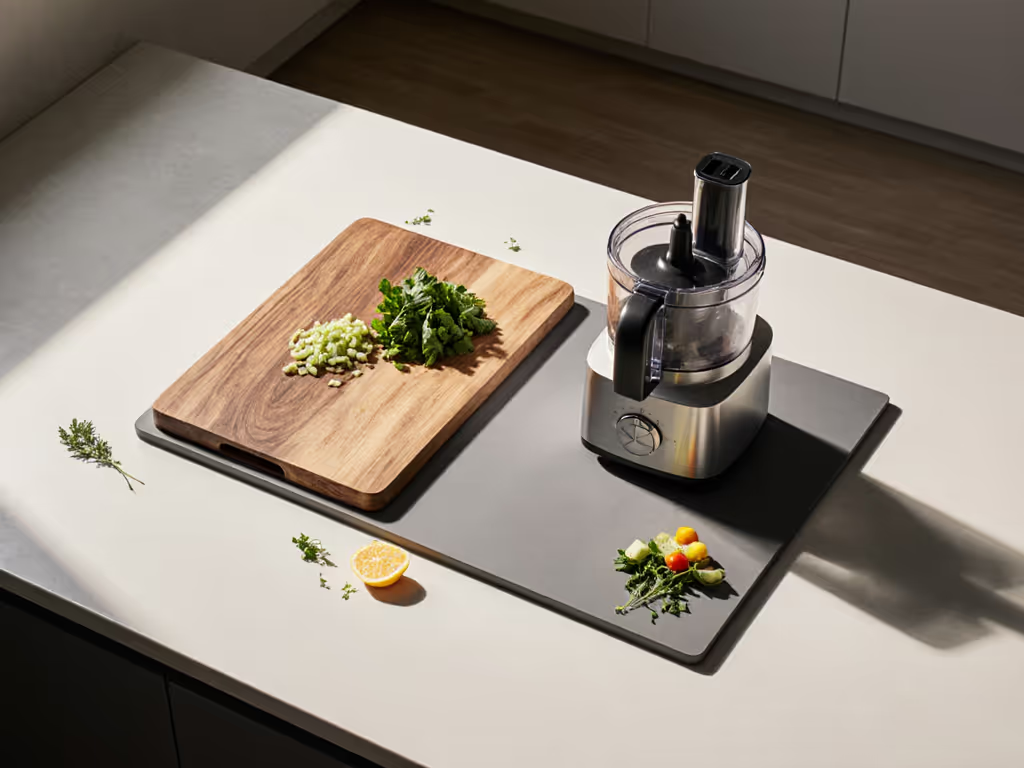
6. Sustainability-Leaning Composite Boards - Best for Low-Tox, Long-Term Use
If you're trying to balance edge safety, hygiene, and sustainability, paper composite deserves a closer look.
Non-toxic kitchen guides often highlight FSC-certified paper composite boards as a more stable, long-lived option than cheap plastic, noting that they are made from wood fiber and resin rather than pure petroleum-based plastic. These boards:
- Avoid the silica load of some bamboo boards, which can be harsher on knives.
- Shed fewer visible shavings and micro-gouges than soft plastic, meaning you're likely ingesting less board material overall over time.
- Often come from manufacturers with clear sourcing and sustainability statements, which is less common in low-end plastic boards.
However, the "green" story has caveats:
- The resins are still typically petrochemical-based, not magic tree sap.
- These boards are not readily recyclable in standard curbside systems.
From a total cost of ownership standpoint, though, a single composite board that lasts a decade or more and survives the dishwasher compares well to repeatedly replacing cheap plastic boards that warp, stain, and stink.
If you want a dedicated appliance accessory integration piece that you're not constantly replacing, composite earns its keep here.
7. When Composite Isn't the Right Feed Board (And What to Use Instead)
Despite the title of this list, composite cutting boards are not always the best choice for food processor feed boards, especially if:
- You own very hard, thin Japanese knives and push them hard every day.
- You're extremely sensitive to noise and harsh tactile feedback.
Knife enthusiasts and testers frequently point out that end-grain wood and soft plastic/rubber are more forgiving surfaces, leading to fewer sharpenings and less risk of micro-chipping on high-HRC blades. For a deeper dive into quiet, knife-friendly options, compare top rubber cutting boards across brands. Reviews of composite boards consistently mention a louder, harder feel and somewhat faster dulling compared with softer materials.
In those cases, a smart alternative feed-board setup is:
- Soft plastic or rubber board under or beside the processor for staging and loading, ideally with non-slip feet.
- Accept that it may scar more deeply, and plan to replace it every few years when grooves become hard to clean.
You trade some heat tolerance and long-term durability for better knife kindness and a quieter, softer feel. For many high-end knife owners, that's the right side of the trade.
Summary and Final Verdict
If you cook 4-7 nights a week and rely on a food processor, blender, or mandoline, composite cutting boards earn their place not as general-purpose knife boards but as hard-wearing, low-profile feed boards and appliance docks.
- A full-size paper composite board is the best all-around dock for a large processor if you prioritize thinness, heat resistance, and dishwasher safety over ultimate edge-friendliness.
- A compact composite board shines in tight kitchens as a dedicated staging pad for processor feed boards and small appliances.
- A reversible groove/plain composite board is ideal for "wet" work and raw-protein staging next to the processor, where easy sanitation matters.
- A hybrid system - knife-friendly main board plus composite dock - delivers the best overall value: fewer sharpenings, smoother workflow, and less clutter.
- For sustainability-minded buyers, FSC-style paper composites offer long service life with relatively low maintenance, though they are not a perfect eco halo product.
- If you're extremely protective of high-end Japanese knives, consider soft plastic or rubber as your feed-board material and reserve composite for under-appliance duty only.
The throughline is simple: treat composite cutting boards as infrastructure for your food processor feed boards and small appliance workflow, not as a status object or one-board-to-rule-them-all. Pick the one or two pieces that solve real problems in your kitchen (size, stability, sanitation), and pay once for a setup that keeps your blades safer, your counters clearer, and your prep line flowing like a workstation.
Related Articles