Cutting Board Chemistry: How Wood Resin Kills Bacteria
By Sanaa Al-Khatib • 28th Apr
When deciding on the right cutting board for your kitchen, wood and its natural properties present a compelling case. At the intersection of material science and food safety lies an often-overlooked fact: the chemistry of natural antimicrobial wood relies on compounds within the wood itself (not gadgets, trends, or clever marketing). Understanding how wood extractives, in everyday kitchen use, translate to real microbial suppression helps cooks make informed choices that protect both their knives and their food.
What Are Wood Extractives, and Why Do They Matter?
Q: What exactly are wood extractives, and how do they differ from the structural wood itself?
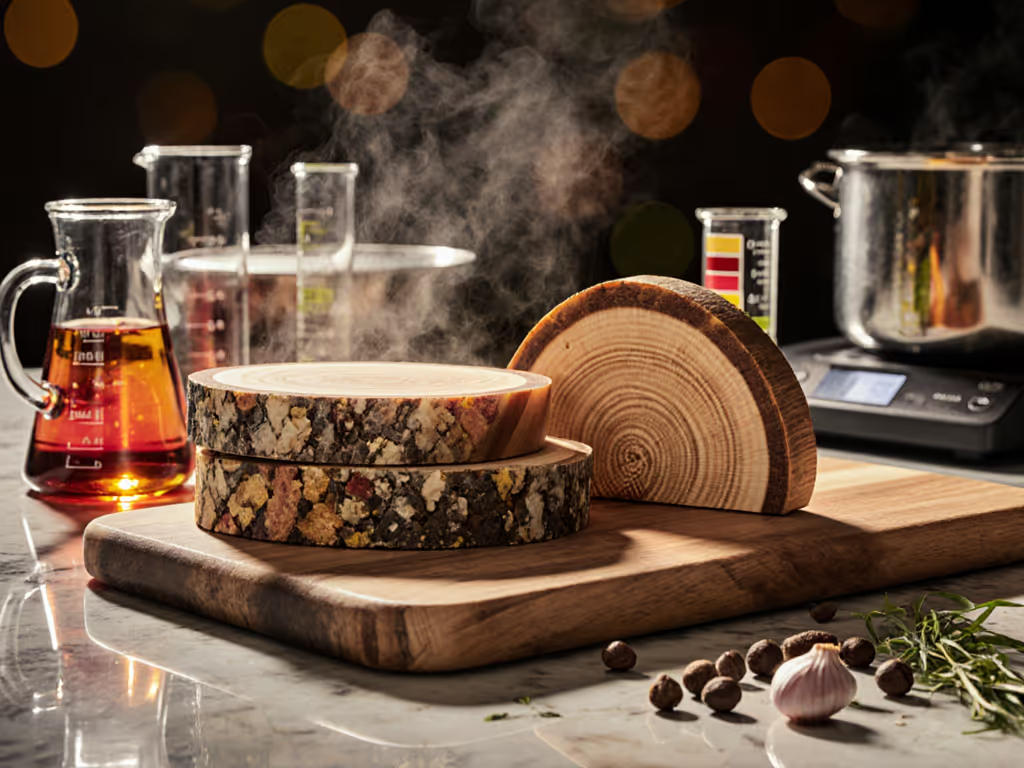
A: Wood extractives are organic compounds naturally present in wood tissue: acids, polyphenols, terpenes, and other secondary metabolites that trees produce for defense. Unlike cellulose and lignin, which form the wood's rigid structure, extractives are soluble compounds that can be leached by water or solvents. Different wood species contain different suites of extractives: teak and oak are rich in tannic acid, while cedar and pine contain volatile terpenoids. For a deeper look at species-level antibacterial differences, see our cypress vs teak antibacterial guide. The effects of sap content are most pronounced in freshly cut wood and gradually diminish over the life of the board, though properly sealed and oiled wood maintains extractive presence far longer than raw wood exposed to repeated washing.
Q: How do these compounds actually inhibit bacterial growth on a cutting board?
A: Wood extractives suppress bacterial colonization through multiple mechanisms. Tannic acids denature proteins in bacterial cell walls and interfere with metabolic enzymes. Polyphenols generate reactive oxygen species that damage DNA and disrupt membrane function. Research examining Escherichia coli, Listeria monocytogenes, and Salmonella typhimurium on wood and plastic boards found that bacteria applied in nutrient broth or chicken juice recovered far more readily from plastic surfaces than from untreated wood, even within the first 10 minutes[2]. For methodology and practical implications, read our wood vs plastic bacteria review. This antimicrobial effect is a genuine property of the material (not a substitute for proper cleaning, but a secondary barrier that works after mechanical removal of debris and pathogens).
Why Does Material Matter as Much as Cleaning?
Q: If I wash my board thoroughly, does it matter whether it's wood or plastic?
A: This is where research departs from conventional kitchen mythology. Cleaning removes the bulk of pathogens through mechanical action and detergent, but residual contamination (cells trapped in microscopic crevices or biofilm initiators) persists. The control variable here is surface topography combined with material chemistry. Plastic boards, particularly those used and reused, develop microscopic scratches that harbor bacteria and fungi. Wood boards, especially those made from a single solid slab, possess food-safe wood chemistry that works against recolonization even in small defects[2]. The antimicrobial environment created by wood extractives is not a replacement for sanitation; rather, clean habits beat clever gadgets for keeping boards food-safe. Consistency and airflow (not novelty products) remain the foundation.
Q: Doesn't oiling a wood board seal out bacteria, or does it trap moisture?
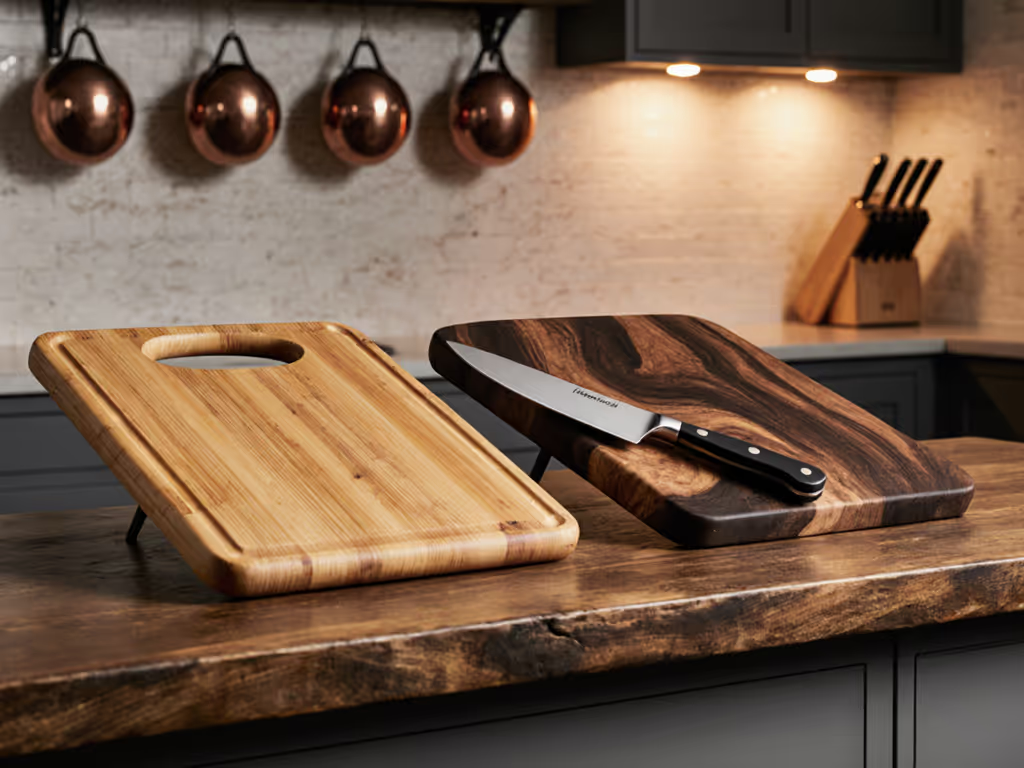
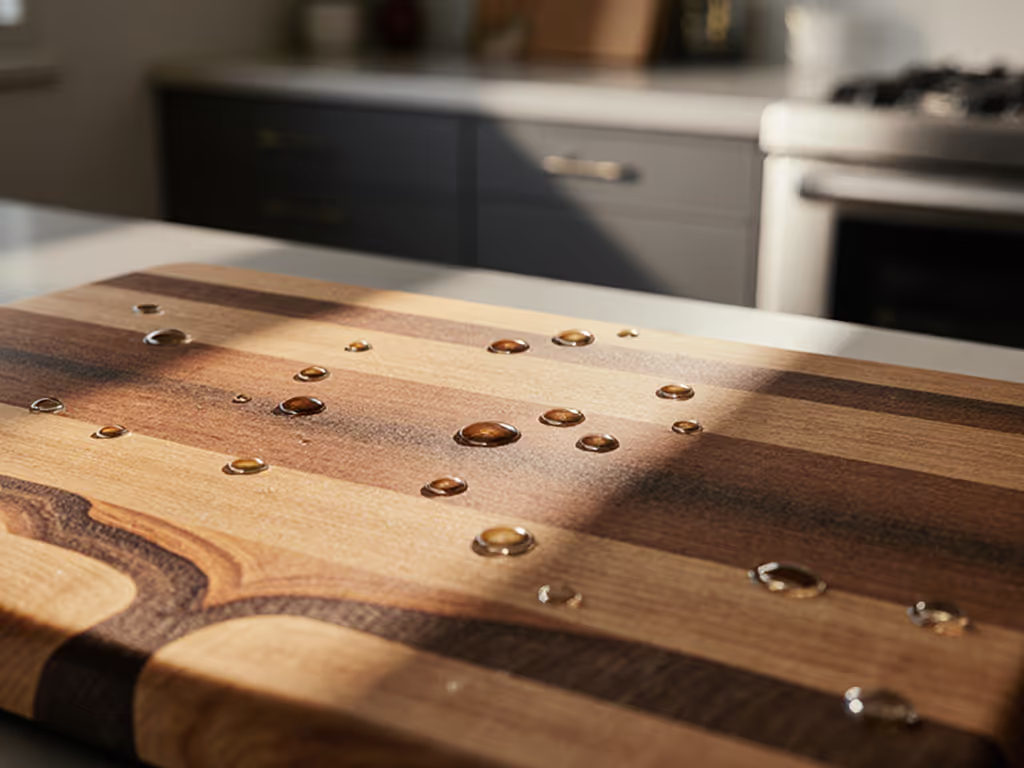
A: This is a common misconception. Oiling does not create a waterproof barrier; rather, it stabilizes moisture content and protects extractive compounds from oxidation and leaching. Food-grade mineral oil or specialized cutting board conditioners replenish the wood's capacity to resist swelling and shrinking, which otherwise leads to surface checking and deep cracks where bacteria shelter. The key is not the oil itself but the drying pattern that follows. After a thorough hot wash, dry vertical (standing the board on edge or at an angle) encourages water to run off and allows air circulation around all surfaces. Learn the step-by-step routine to prevent warping in our wood cutting board maintenance guide. This drying rhythm, repeated consistently, is far more consequential than any single oil application. Moisture content below 12% inhibits mold and bacterial proliferation; moisture above 16% invites both[4].
What's the Real Difference Between Nice Wood Cutting Boards?
Q: Are all hardwoods equally antimicrobial, or do certain species perform better?
A: Species vary significantly. Teak, oak, maple, and walnut all contain substantial tannin and polyphenol loads, but concentrations and compound profiles differ. Softer woods (pine, fir) contain lower levels of antimicrobial extractives and are more prone to splintering and deep gouging. Hardness alone does not confer antimicrobial benefit; instead, it correlates with extractive density and grain stability. A food-safe wood chemistry that combines moderate hardness (Janka hardness 950-1200) with high extractive content (such as maple or cherry) offers both knife friendliness and robust secondary antimicrobial defense. Single-slab construction, rather than laminated or glued boards, preserves extractive distribution and avoids adhesive degradation over time.
Q: How much do microplastics from plastic boards factor into the hygiene picture?
A: Research indicates that chopping on plastic boards can release tens of millions of polyethylene or polypropylene microparticles annually, depending on technique, ingredient texture, and board age[3]. While toxicity testing on isolated microparticles showed minimal acute effects on cell cultures[3], the broader concern is cumulative ingestion over years and the entrapment of these particles in food residue and biofilm. Wood boards do shed microparticles (cellulose fibers), but at rates 4 to 22 times lower than plastic equivalents in controlled tests[3]. This is not a claim that wood is "risk-free"; rather, the magnitude of plastic shedding makes it a measurable trade-off worth considering, especially for cooks preparing food for children or immunocompromised household members.
Practical Maintenance: Where Chemistry Meets Routine
Q: What's the actual maintenance load for a wood board to sustain its antimicrobial properties?
A: Define your maintenance schedule explicitly. For weekly use (4–7 nights per week), the routine is straightforward: wash with hot water and mild dish soap immediately after use, scrub grain direction with a soft brush or sponge, rinse thoroughly, and dry vertical. Every 2-4 weeks, apply a thin coat of food-grade mineral oil or beeswax-based conditioner and let it sit for 30 minutes before wiping excess away. Once annually, if the board shows surface dryness or minor discoloration, sand lightly with 220-grit sandpaper and reapply finish. This is not burdensome; it is, in fact, less demanding than replacing a scarred plastic board every 2-3 years. Maintenance load is the total time and inputs required to keep the board in safe, functional condition (and for solid wood, that is minimal and predictable).
Q: Can I use bleach or other disinfectants on a wood board?
A: Diluted sodium hypochlorite (roughly 100-200 ppm, approximately 1 teaspoon per gallon) can be applied to wood boards as a periodic sanitizer, following USDA guidance. However, repeated bleach application degrades extractive compounds, reduces the wood's antimicrobial capacity, and can cause discoloration and brittleness. For routine food-safety needs in a home kitchen, hot water, mechanical cleaning, and proper drying are sufficient. Mineral oil treatment of the wood surface, in studies comparing bacterial recovery, showed little additional microbial suppression beyond the untreated wood baseline[2] (emphasizing that the extractive chemistry is intrinsic to the material, not conferred by topical application).
Key Takeaways
The chemistry of wood sap content effects and natural extractives creates a genuine (though modest) antimicrobial environment on cutting boards. This property does not justify neglecting cleaning or safety protocols; it complements them. Solid hardwood boards with high tannin and polyphenol content, combined with a consistency-focused maintenance routine and vertical drying, provide both edge friendliness and durable food safety. For cooks seeking materials that balance knife protection, hygiene, and sustainability, understanding this chemistry removes the fog around material selection and restores confidence in simple, repeatable care.
Further Exploration
To deepen your understanding, investigate the USDA's guidance on cutting board sanitation practices, explore wood species profiles from the Hardwood Council regarding extractive composition, and consider consulting peer-reviewed microbiology journals that compare bacterial recovery across multiple materials under controlled laboratory conditions. The science is robust; what remains is the discipline to apply it consistently in your own kitchen.
Related Articles