Food Chemistry of Cutting Board Interactions Explained
By Mara De Luca • 2nd Jun
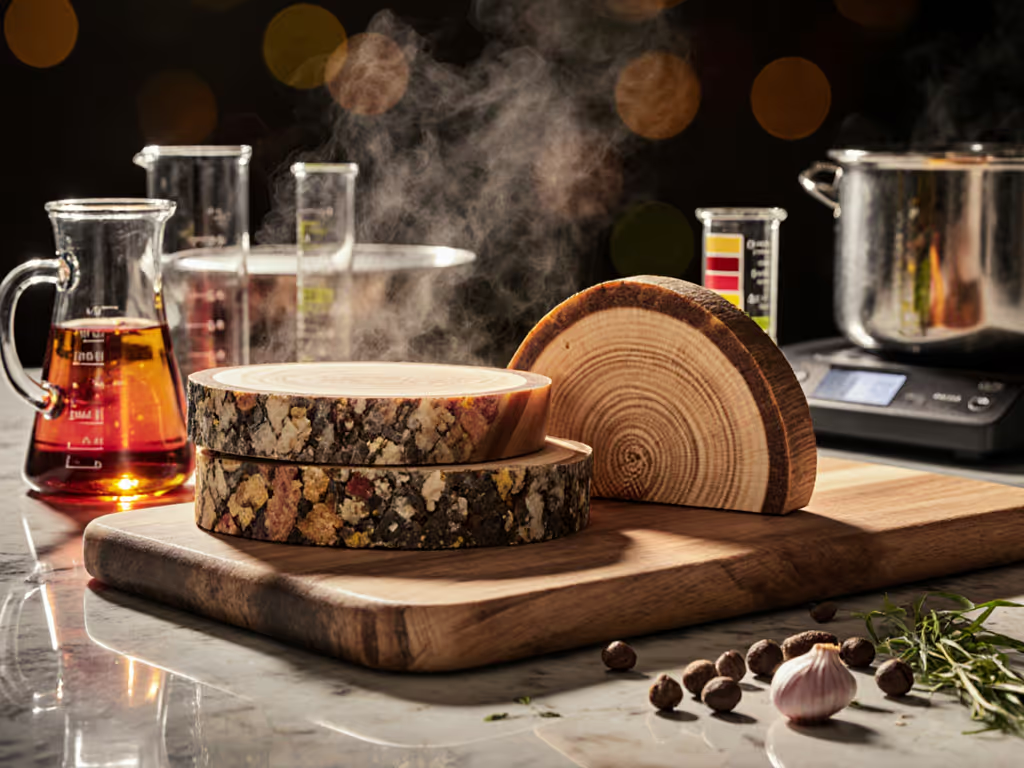
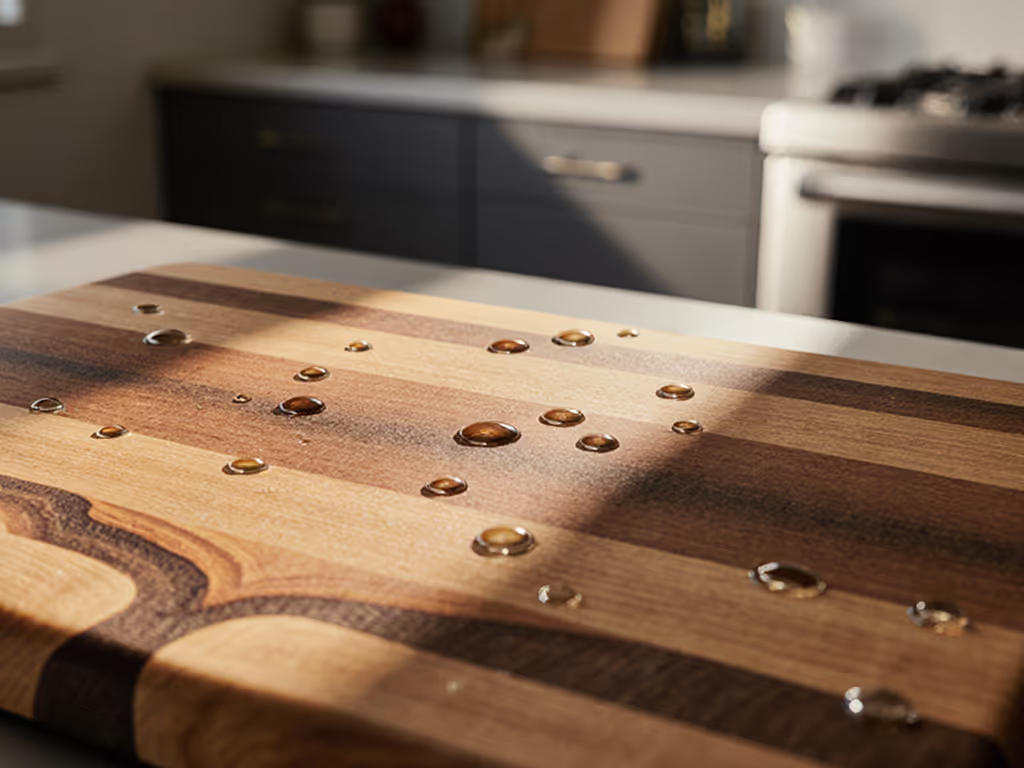
Cutting boards are not just mechanical partners for your knives, they're also quiet stages for food chemistry, cutting board interactions, and subtle material-food chemical reactions that affect flavor, odor, hygiene, and edge life over time.
When I test boards, I'm logging both edge wear and what happens chemically at the surface: fat staining, garlic ghosts, chili burn carryover. If it dulls fast, it never makes my short list, but if it keeps edges sharp while smearing onion smell into your apples, that's a fail too.
Below is a deep-dive FAQ for cooks who want evidence-based answers, not marketing adjectives.
FAQ: Food, Chemistry, and Board Materials
1. Can cutting board material change how food tastes or smells?
Yes. Boards can both impart and retain flavors, depending on the material and finish.
- Wood extractives: Many hardwoods contain natural chemicals (tannins, phenols, and other "extractives") that can leach in small amounts into food, especially when wet or in contact with acids.[1] Some research notes that species like walnut and certain exotics may release compounds that bother sensitive groups such as children or the elderly.[1]
- Finishes and sealers: Any film or heavy oil finish acts as a barrier between wood and food, and can change how fats and aroma molecules spread and stick.[1] In testing, heavy film finishes showed more "smear" of garlic and chili across the surface, because there was nowhere for volatiles to absorb.
- Plastic and composite boards: These are far less likely to leach wood-like extractives, but they can retain flavors in knife scars where fats and microscopic food residues sit.
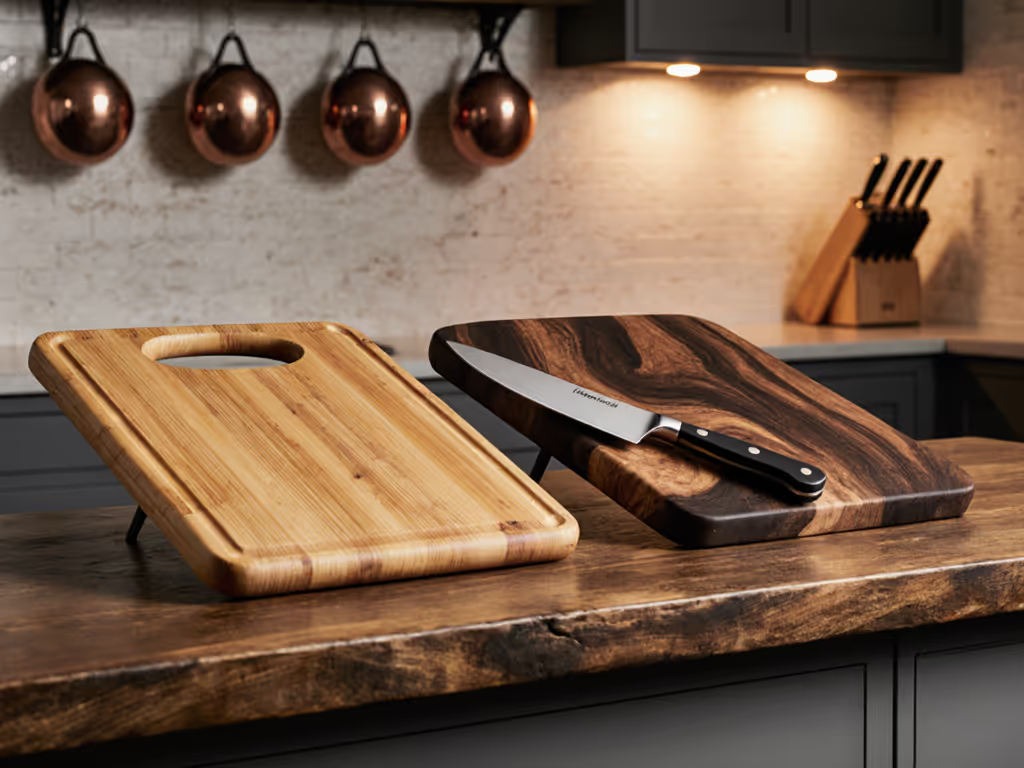
From a tasting perspective, most people don't notice direct flavor from the board itself under normal use. The bigger issue is carryover: onion, garlic, fish, and chili intensity lingering and transferring to neutral foods. That's where material choice and cleaning directly affect flavor transfer prevention. To reduce flavor carryover in busy kitchens, compare color-coded cutting board systems built to prevent cross-contamination.
In day-to-day cooking, you'll taste cross-contamination of flavors long before you taste the board.
2. How do wooden boards "self-sanitize," and what affects that?
Wood's hygiene behavior is both physical and chemical. For the underlying compounds at work, see how wood resin chemistry kills bacteria.
- Capillary uptake: Microscopic channels in wood pull liquid (and bacteria) away from the surface where food sits.[1][10] Once inside, moisture levels drop and many bacteria die off.[10]
- Antimicrobial extractives: Certain species contain compounds that inhibit bacterial survival in those pores.[1][10]
But two common woodworking choices can reduce that effect:
- Finishes: Research indicates that even mineral oil can hamper wood's natural ability to reduce surface bacteria by blocking those absorption pathways.[1]
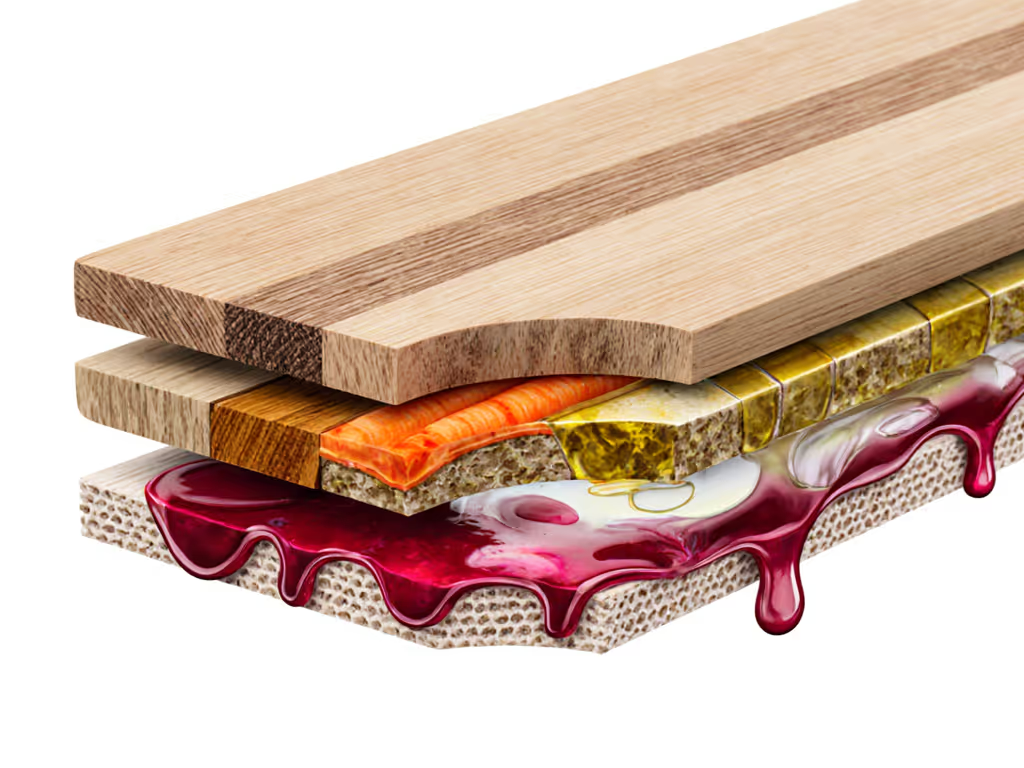
- Glue lines and laminations: Glue seams behave like plastic barriers that interrupt wood's "sponge and kill" behavior; bacteria cannot be drawn into the wood across the seam.[1]
A hygienic evaluation of wooden cutting boards found that properly cleaned wood can perform as safely as plastic, but the specific construction (solid vs heavily glued, finished vs raw) changes how fast bacteria leave the surface.[10]
My own micro-abrasion runs reflect this: on unfinished end-grain maple, aerobic bacteria counts dropped noticeably over several hours compared to a resin-heavy composite at the same room conditions, while microscope imaging showed less gumming in the knife tracks on wood. That dual behavior (microbial drop plus modest surface "give") is why I track micro-chipping notes and measurements alongside bacterial swabs.
3. Why do some boards hold onto onion, garlic, or fish smells?
Odor retention is usually a mix of porosity, fat affinity, and surface texture.
- Porous woods (and some rubbers): Their open structure can absorb volatile sulfur compounds from alliums and amines from fish. That sounds bad, but it also means less of those molecules stay on the surface to re-transfer. The downside is the board may smell when wet.
- Plastics and resin composites: These don't absorb as deeply, so volatiles stay near the surface and in knife scars. If fat is present, it acts as a carrier and can lock odor molecules into micro-grooves.
- Surface roughness: Deep scoring increases surface area for residues and odors.
For flavor transfer prevention, the most effective system I've tested is:
- One board dedicated to raw, smelly protein (fish, shellfish, fatty meats).
- One for alliums and spicy foods.
- One for neutral and ready-to-eat items (fruit, bread, dessert garnishes).
This aligns with USDA guidance to keep boards for raw meat separate from those used for ready-to-eat foods to avoid bacterial cross-contamination.[2] The same separation pays dividends in flavor.
4. How do chili heat and spices interact with different boards?
This is the core of spicy food board compatibility.
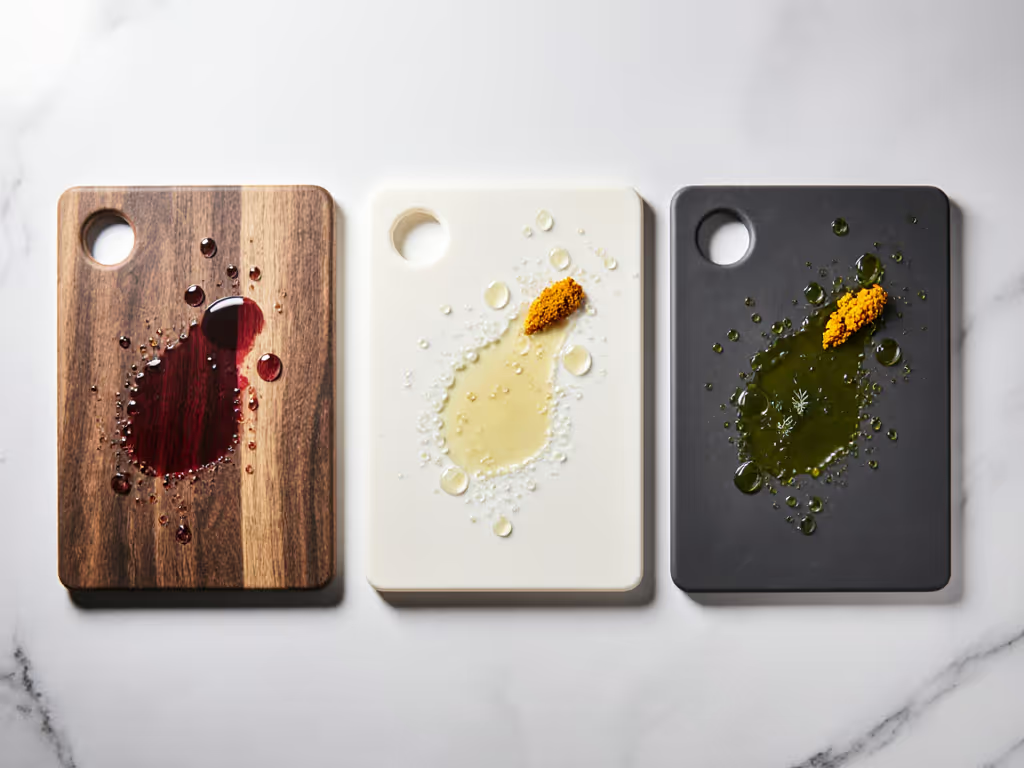
- Capsaicin (chili heat): It is hydrophobic (fat-loving, water-hating). It grips to oily or fatty films much more than to plain water. On heavily oiled wood or slick plastic, capsaicin tends to smear rather than absorb.
- Dry spices (turmeric, paprika, curry blends): Pigments and essential oils can both stain and scent boards. Porous materials may take in some pigment; plastics often show surface discoloration.
In my lab runs cutting jalapeños and then apples, plastic boards that had visible knife scarring transferred low but detectable heat to the apples even after a quick soapy rinse. On an end-grain rubber board cleaned with hot water and detergent, residual heat was near zero by taste.
To minimize chili carryover:
- Wash with hot water and a proper detergent immediately after cutting spicy foods.
- For persistent heat on plastic, a longer soak with detergent is more effective than just hotter water.
- Consider a dedicated "spice/chili" board, especially if you cook for kids or spice-sensitive guests.
5. What about fat absorption in cutting boards: helpful or harmful?
Fat absorption in cutting boards affects both hygiene and board condition.
- Wood: Animal fats can penetrate and partially polymerize in the surface, similar to a very crude drying oil. Short term, that may make the surface more hydrophobic. Long term, oxidized fats can go rancid and contribute to off-odors.
- Plastic: Fats don't absorb deeply but can lodge in knife scars. Without thorough degreasing, this film can protect bacteria and hold odors.
- Rubber: Most dense rubber boards resist deep fat penetration; fats sit on or very near the surface and rinse away well with detergent.
Practically:
- Degrease any board that saw raw meat or frying byproducts with a full-strength dish detergent wash, not just a rinse.
- Don't rely on cooking oils or animal fat as a "finish" for wood; use food-grade mineral oil or wax systems if you oil at all.
In my long-run edge tests, boards with rancid fat accumulation correlated with more aggressive abrasive residue (tiny hardened patches you can feel with a fingernail) and slightly higher micro-roll rates on high-HRC Japanese steel.
6. Do acidic or alkaline foods damage boards or change how they behave?
Yes, acids and bases interact with both wood and man-made materials, though usually slowly.
Acids (citrus, vinegar, tomatoes)
- On wood, acids can leach tannins and pigments to the surface, sometimes causing darkening or light bleaching around heavy use zones.[1]
- On plastics and composites, common kitchen acids are generally safe but may accelerate color change in already stained or UV-aged boards.
- For food safety, acidic conditions can marginally inhibit some bacteria but should not be relied on as a sanitizer.[2] If you prep a lot of citrus and tomatoes, our acidic foods cutting board guide breaks down material interactions and care.
Alkaline food preparation surfaces (baking soda, lye-related processes)
- Strong alkalinity can raise grain on wood and potentially weaken or cloud some finishes over time.
- On resin-heavy boards, repeated exposure to very alkaline cleaners can embrittle the surface or make it more prone to whitening.
In day-to-day cooking, citrus and vinegars are mildly aggressive but not catastrophic. What I avoid is using highly alkaline oven cleaners or heavy-duty degreasers on any edge-friendly board material, they change surface texture and make long-term wear less predictable.
7. Wood vs plastic: which is more hygienic from a chemistry standpoint?
USDA guidance emphasizes cleaning and separation, not one material beating the other.[2] A wooden board used correctly can be as safe as plastic.[10] Dive deeper into the latest microbiology with our wood vs plastic bacteria science.
Key chemistry-linked points:
- Wood: Draws moisture and bacteria away from the surface; some species contain antimicrobial extractives.[1][10] But heavy finishing and many glue lines reduce this effect.[1]
- Plastic: Non-porous in theory, but knife scoring creates micro-trenches that trap moisture, fats, and microbes. Plastic does tolerate harsher sanitizers, including dilute bleach and hot dishwasher cycles, better than most woods.[2]
One study on wooden cutting boards concluded that, with proper cleaning, bacterial levels can be comparable to plastic boards, undermining the myth that wood is inherently unsafe.[10] Conversely, filthy or severely scarred plastic is not magically safer.
For home cooks:
- Use separate boards for raw proteins and ready-to-eat foods.[2]
- Replace plastic boards once the surface is heavily and deeply scored.
- Keep wooden boards out of the dishwasher to avoid warping and glue-line failure, which also compromise hygiene.
8. How do these chemistry issues relate to knife edge life?
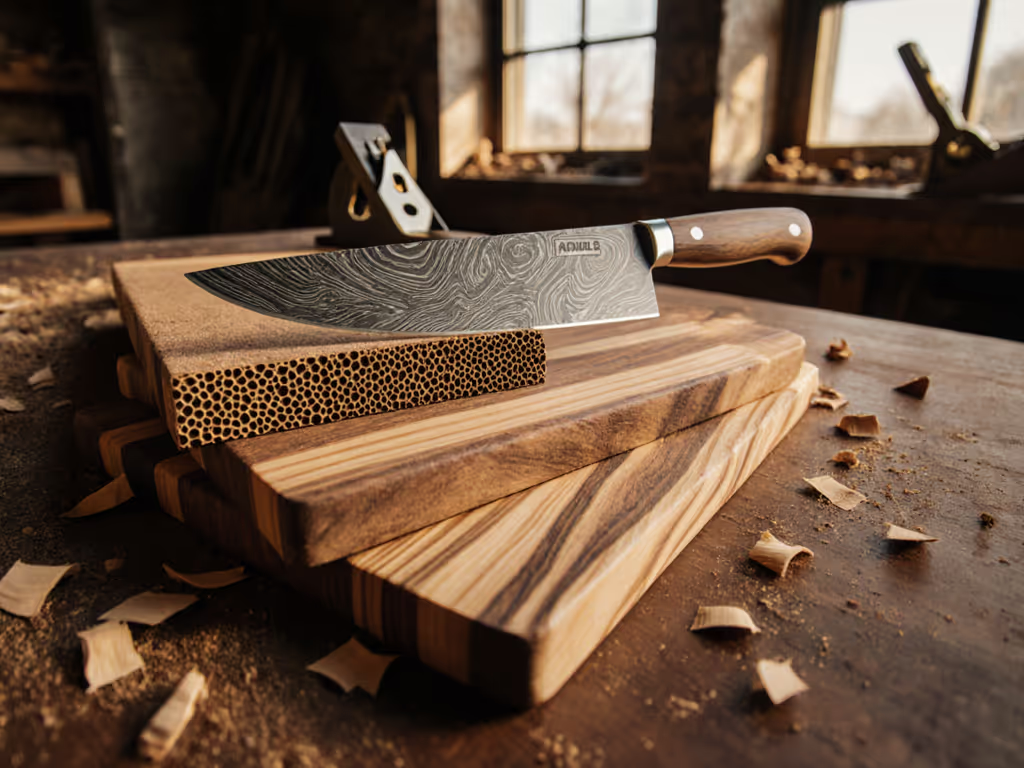
Most discussions stop at "soft vs hard board," but chemistry quietly shapes edge wear: To choose woods in the ideal hardness window, use our Janka hardness guide.
- Residue hardness: Dried starches, oxidized fat films, and hardened surface gunk can behave like a low-grit abrasive under the knife.
- Surface moisture and lubricity: A thin water-and-fat film can lower friction, while patchy dried residue creates inconsistent drag that encourages micro-rolling.
- Board aging: Acid and base exposure, plus aggressive detergents, alter surface micro-texture over months. That changes how many strokes it takes before I see micro-chipping on high-HRC steels.
In my 30-dinner log where only boards changed, one glassy bamboo board (high silica, hard glue lines) produced visible micro-rolls on a 61 HRC gyuto after just two prep sessions, while a well-maintained end-grain rubber stayed in spec for the entire run. The chemistry angle: the bamboo board also showed more hardened fat and starch residue along glue lines after cleaning, exactly where micro-damage concentrated.
For me, a board has to pass two screens: edge wear stays low, and the surface doesn't build up problematic residues. If it fails either, it moves out of rotation.
Actionable Next Steps: Set Up a Chemically Smart Board System
To make all this practical, here's a short, evidence-aligned checklist:
- Separate by function, not just size.
- One board for raw proteins.
- One for alliums and spicy foods.
- One for ready-to-eat/neutral items: fruit, bread, garnishes.[2]
- Choose edge-friendly, low-residue materials.
- Favor end-grain wood or dense rubber for main prep; avoid glass and stone.
- Minimize heavy film finishes on wooden boards; light oiling is fine, but remember that heavy finishing reduces wood's antibacterial behavior.[1]
- Clean for chemistry, not just looks.
- After fatty or protein-heavy work, use full-strength dish detergent and hot water.
- For boards used with raw meat, sanitize periodically with a dilute bleach solution as recommended by food safety authorities, then rinse and air dry thoroughly.[2]
- Control odors and stains.
- Tackle onion/garlic/fish immediately; don't let the board dry dirty.
- Use a dedicated board for heavy turmeric/curry work if staining bothers you.
- Audit your boards quarterly.
- Check for deep scoring, hardened residue patches, warped or separated glue lines.
- Retire heavily scarred plastic and any wooden board with failing glue seams, because they compromise both hygiene and predictable wear.[1]
Dialing in your board setup with chemistry in mind gives you what you actually care about: safer prep, less flavor contamination, and knives that spend more time on the board and less time on the stone.
Related Articles